
Author: Gabor Takács
The Milky Way at dawn in late March near my village (Hosszúhetény) where I live in Hungary, only 20 km from the city of Pécs with a population of 150,000. Despite the strong light pollution, the pink and red nebulae in the Milky Way are beautifully visible, which only astromodified cameras can show. This is not my first astromodified camera, but thanks to the conscientious work and perseverance of Mr. Sven Lamprecht at IRreCams, this one has become the best! But let's not get too far ahead!
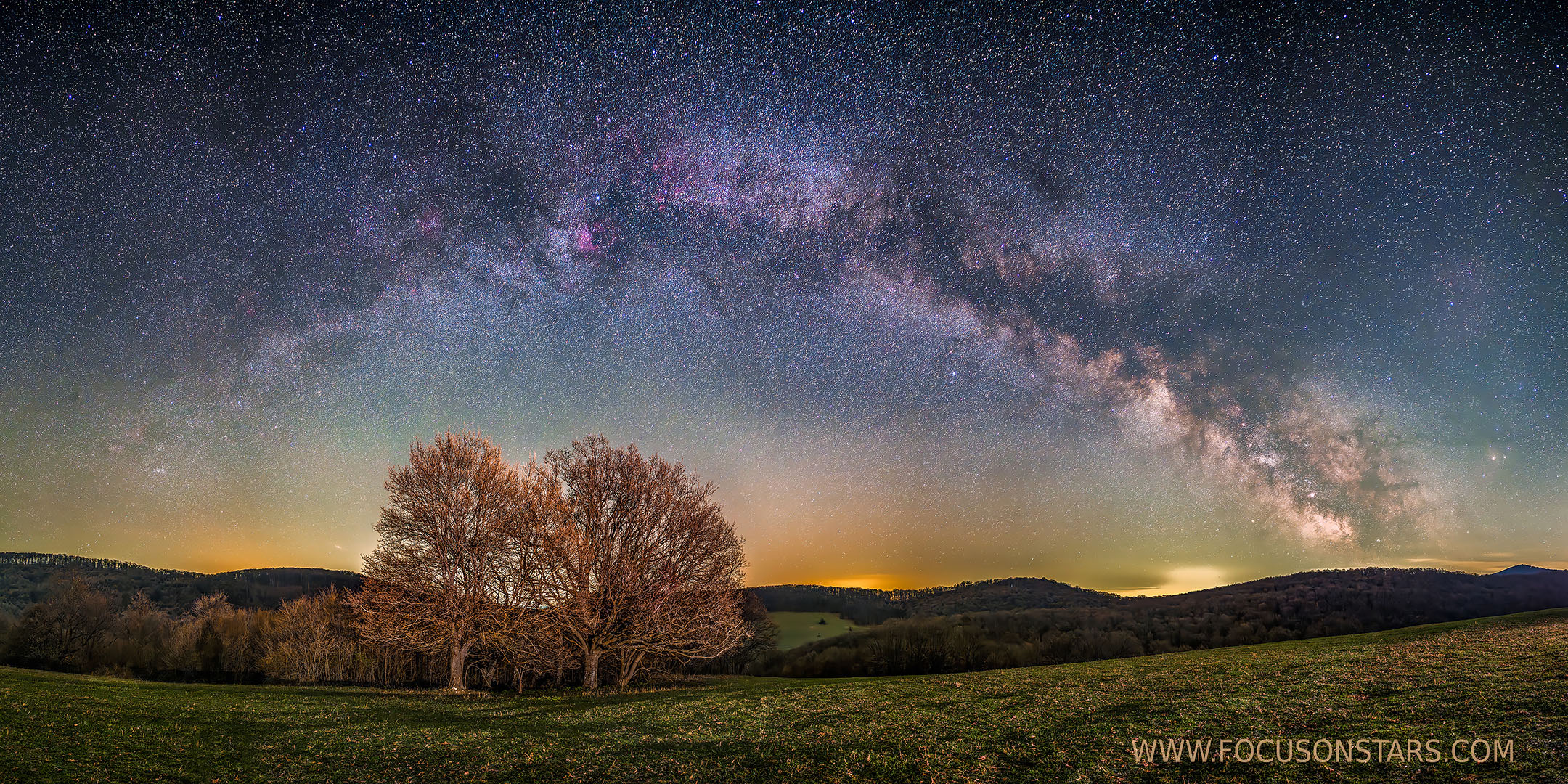
This image is probably not my most successful astroscape to date, but it is the first one I took with my recently completed Panasonic S5 camera, astro-modified by IReCams.
I lit the foreground trees using Low-Level-Lighting (LLL), a popular astrophotography technique. The essence of this technique is that dim, artificial light sources (in my case LED panels) are placed to subtly illuminate the foreground, thus balancing the exposure of the foreground and the starry sky in a single shot.
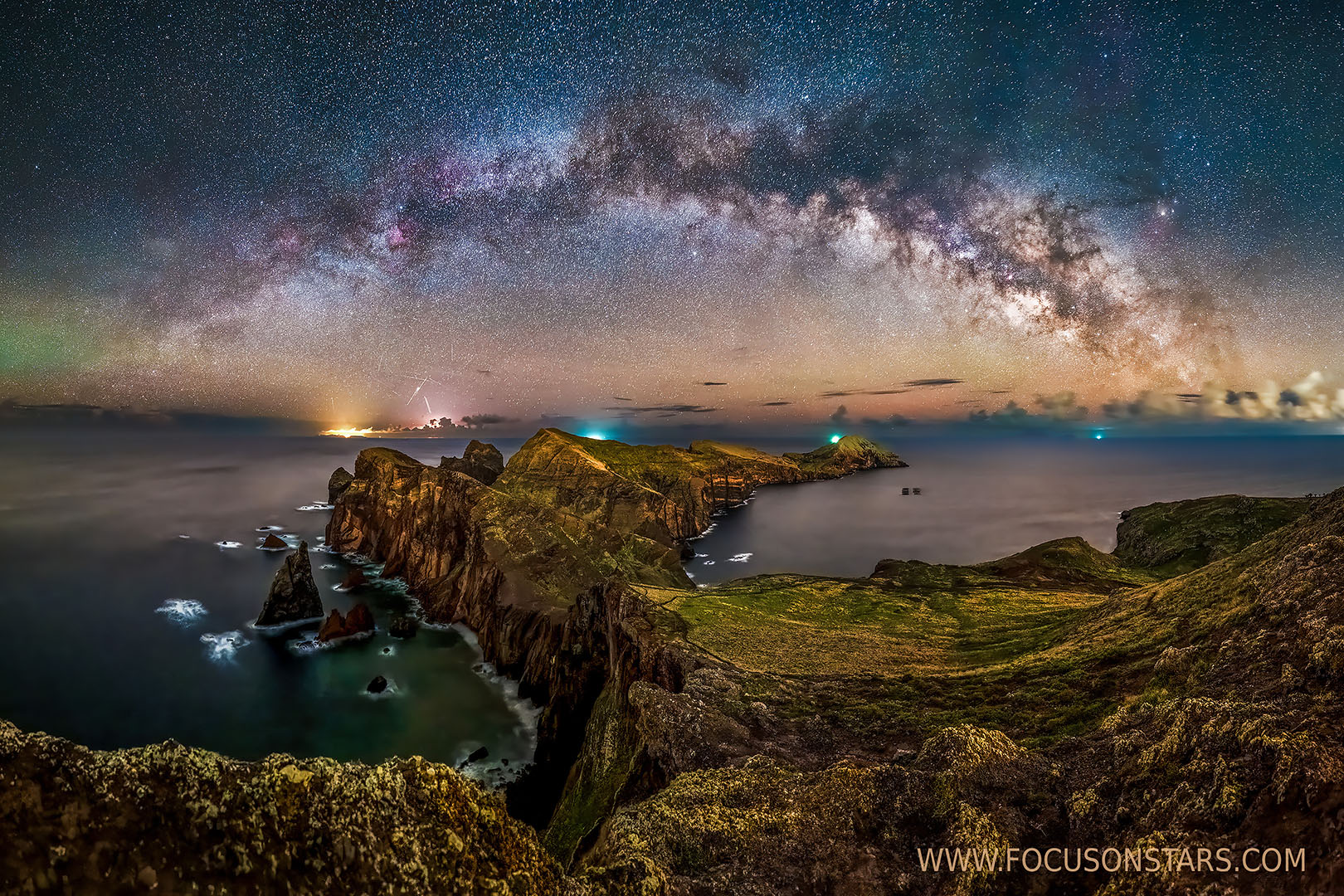
I previously had another Panasonic S5 camera converted in a very well-known workshop in the USA. They actually did a great job! I have wonderful images thanks to this camera, which I used mostly with an excellent zoom lens that gives great compositional freedom, the Sigma Art f:2.8, 14-24 mm DG DN lens. Here is an example of the Milky Way in Madeira in March:
And another image of mine in the Dolomites, which is part of the "Starry Nights in the Dolomites" series, which won first place at the "Global Lens Awards 2025" photo competition held in Dubai:
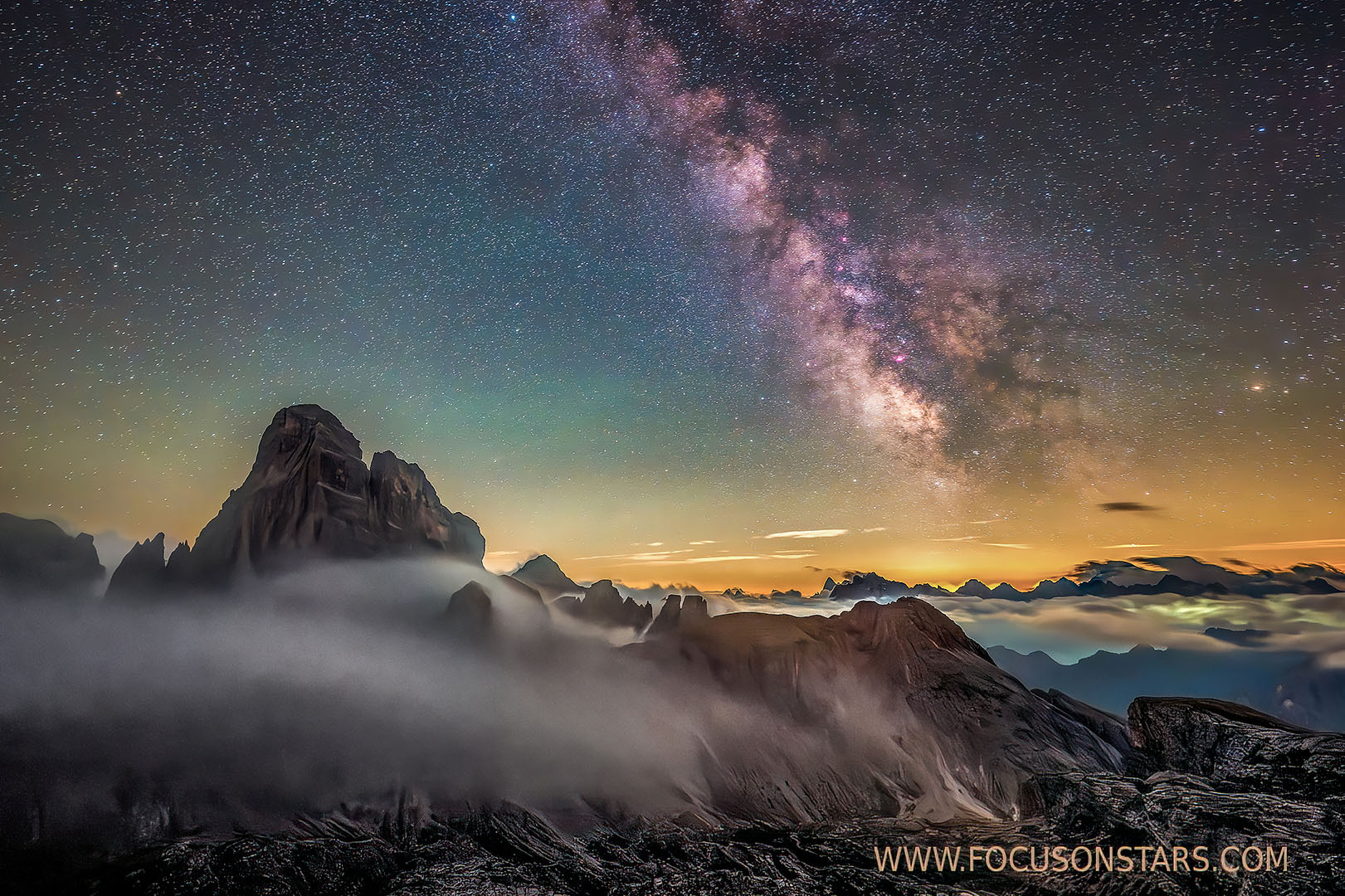
The rest of the series were taken with cameras without astro-modification (Canon EOS 6D and Panasonic S5). Here are all the images from the series: Global Lens Awards.
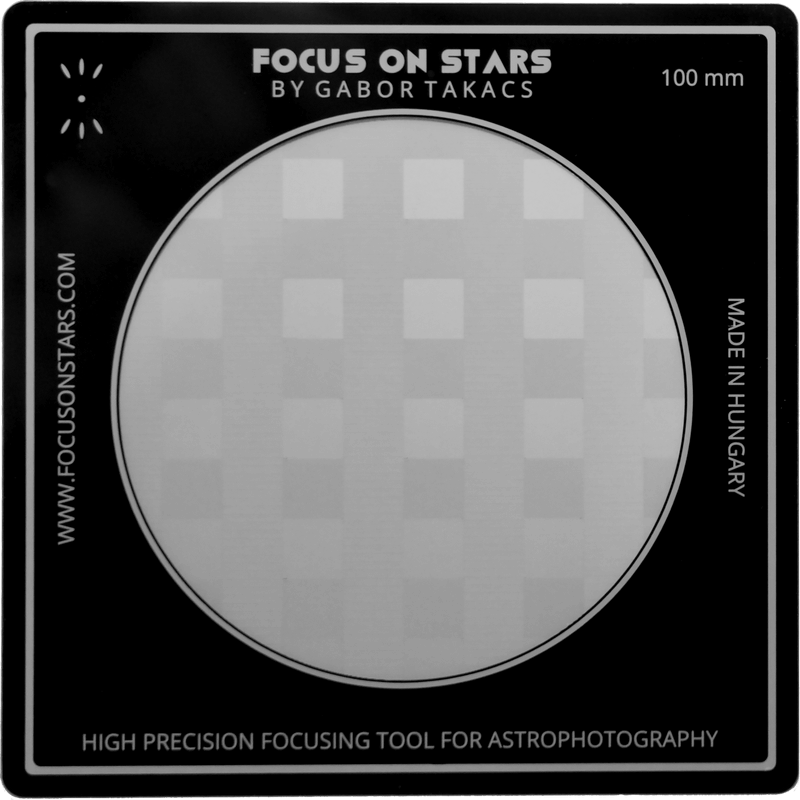
I usually try to plan my images in advance and then compose them well, so that I can convey to the viewer the feeling that I had there in the great landscape under the endless wonderful sky. I am also technically maximalist when it comes to my images. Stable tripod, excellent lens, absolutely precise focusing on the stars with my invention, which is already used with satisfaction by thousands of astrophotographers all over the world. This is a very unique focusing filter, the only one on the market today that really works reliably with wide-angle and ultra-wide-angle lenses:
Buoyed by the initial success with my first converted camera, I invested in a new lens: the Sigma A 20 mm f/1.4 DG DN. Such a fast f1.4 lens lets in 4X more light than an f2.8 lens. More light allows for lower ISO, less noise and a wider dynamic range. Of course, this requires a quality lens that provides excellent sharpness in the center and corners of the image even at full aperture, with minimal or no coma at the corners.. (Coma is the optical defect that makes stars grow insect-like wings towards the edges of the image.)
The Sigma Art f1.4 20 mm DG DN is typically one such wonderful lens, specially developed for the needs of astrophotographers! So I bought it, and with my unmodified camera it gave amazing quality, but I sadly experienced that my modified camera gave unusable images with it: Sharp center but disastrous corners. During daytime tests, it turned out that when the subject was sharp in the center, one edge was focused forward and the other was focused backward. In other words, the plane of the modified camera's sensor tilted slightly compared to the optical axis and the lens mount after the modification. This difference was so small that it was completely invisible with my 2.8/14-24 mm Sigma Art or 2.0/135 mm Samyang lenses, but as it turned out, this f1.4 Sigma 20 mm lens is extremely sensitive to focusing accuracy (which is child's play with my invention by the way!). I sent the camera back to the USA, but they were only able to improve it slightly. In fact, the f2.8 Sigma Zoom 14-24mm at 20mm still gave better images than this fast fixed focus lens...
I was very sad until I came across IRreCams.de. I wrote to Mr. Lamprecht, who replied quickly and willingly. He said that he could only accept original cameras, that someone else had already done some modification to. So I bought a new S5D camera during a lucky Christmas sale and sent it to him. Two weeks later the modified camera arrived. I tested it excitedly: It was indeed better with the f1.4 20mm lens than the other one, but it was not perfect yet. I sent it back with my lens for another calibration. Mr. Lamprecht was surprised by how strongly this fast Sigma lens reacts to the slightest deviations. He developed a new technique to perfectly calibrate the sensor and now my modified camera gives the same corner to corner excellent images with this sensitive lens as the original unmodified one.
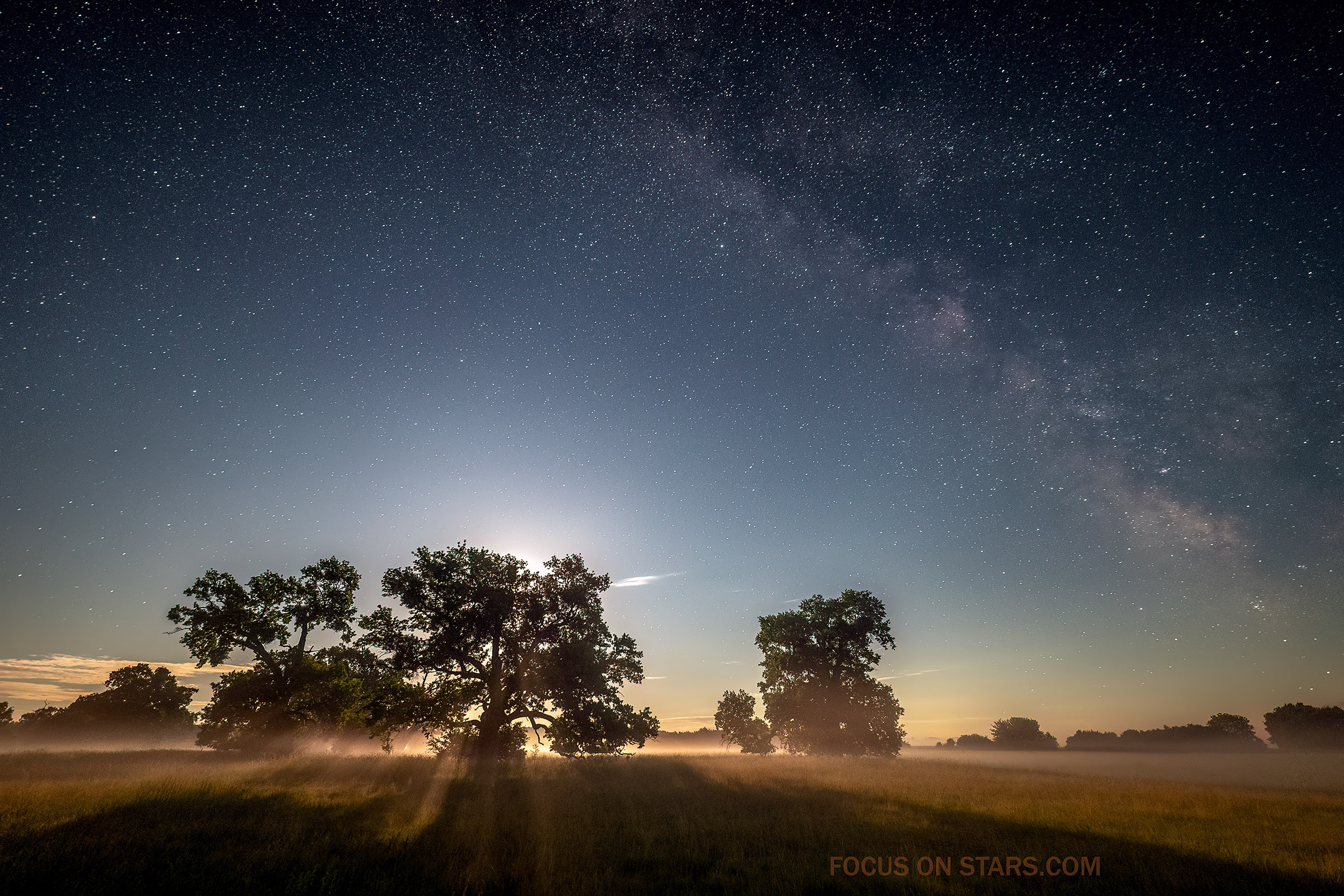
The image below was taken under the light of a strong, 65% illuminated, rising Moon. The camera, astromodified by IReCams, was still able to see the arc of the Milky Way!
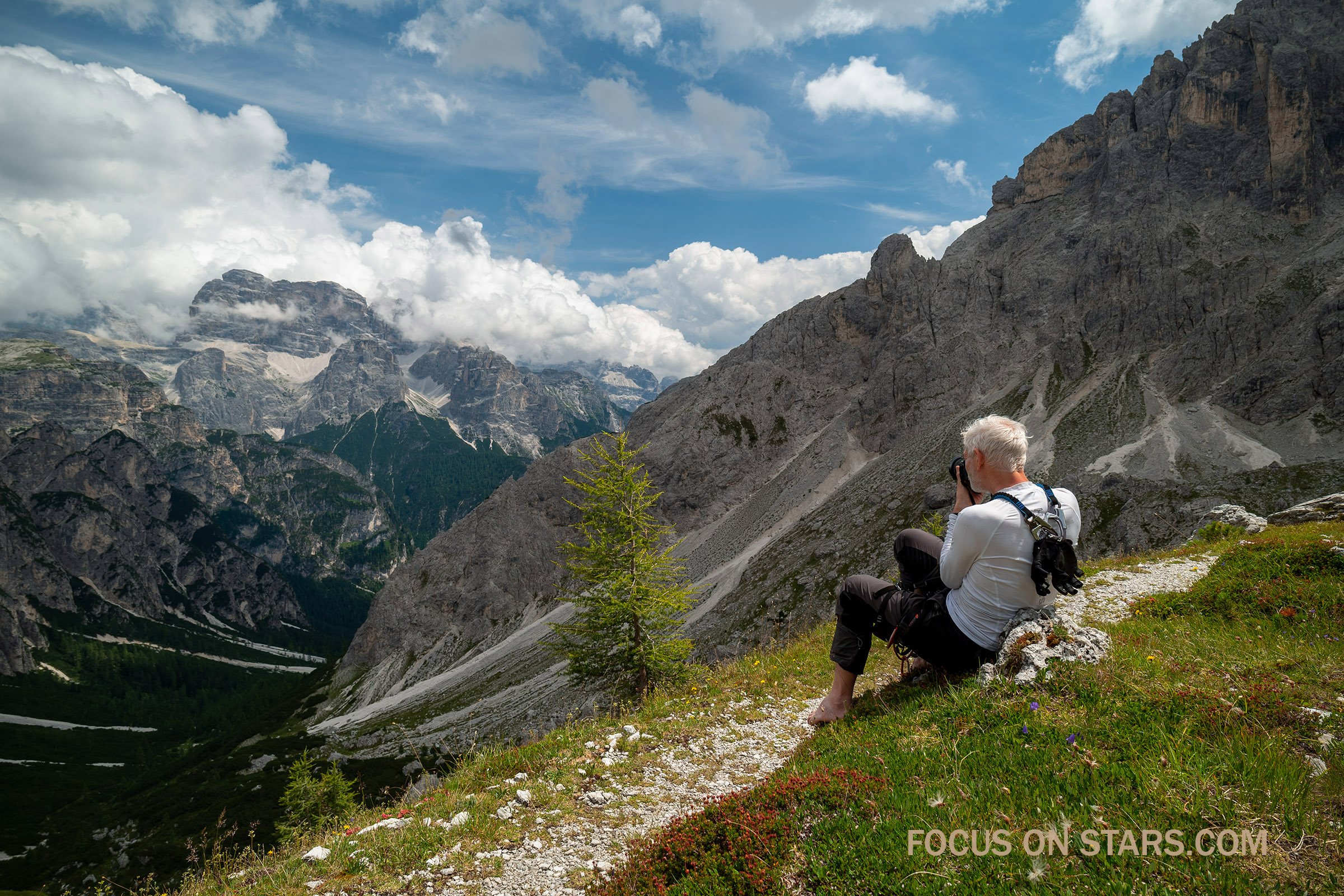
As a passionate landscape and astro-landscape photographer, I often hike in the Alps with a huge backpack that holds clothing suitable for inclement weather, some camping gear and bulky photo equipment. A tripod, various lenses and the camera. It's a constant logistical challenge, what should I take and what should I leave at home? And here an important question immediately arises: Is such an astro-modified camera suitable for normal daytime photography? My answer is a clear YES. I use a single converted camera in the mountains for both my daytime and nighttime photos.
True, after the conversion, the factory white balance settings can no longer be used. However, by choosing a custom white balance, we can adjust our camera to the existing light in an instant using a gray card or a white card. Thus, the astro-modified camera is perfect for general purposes and for demanding daytime landscapes. Of course, I am not saying that it will be the most suitable for reproducing accurate colors in the daily work of wedding and product photographers. For them and for photographers who still want to use the usual factory white balance settings, there is a good solution: IReCams offers a Normal Filter (UV/IR Filter) that can be screwed onto the front of the lens, which replaces the filter removed during IR or astro conversion, thus restoring the camera's factory settings.
I am very happy and satisfied with my camera! Mr. Lamprecht does a perfect job. I'm not saying there aren't other astro-modification services that can do the same thing, but IRreCams is proven to be one of the best!
More information and pictures from Gábor Takács can be found on his website and social media:
Website: focusonstars.com
Blog: focusonstars.com/blog
Instagram: @focusonstars_com
Facebook: @Gabor.Takacs.Hungary
Pinterest: @focusonstars
 Deutsch (Sie)
 English
 Italiano
 Français
 Español
 Nederlands