
blog

Deep Space and Cygnus Nebula Region
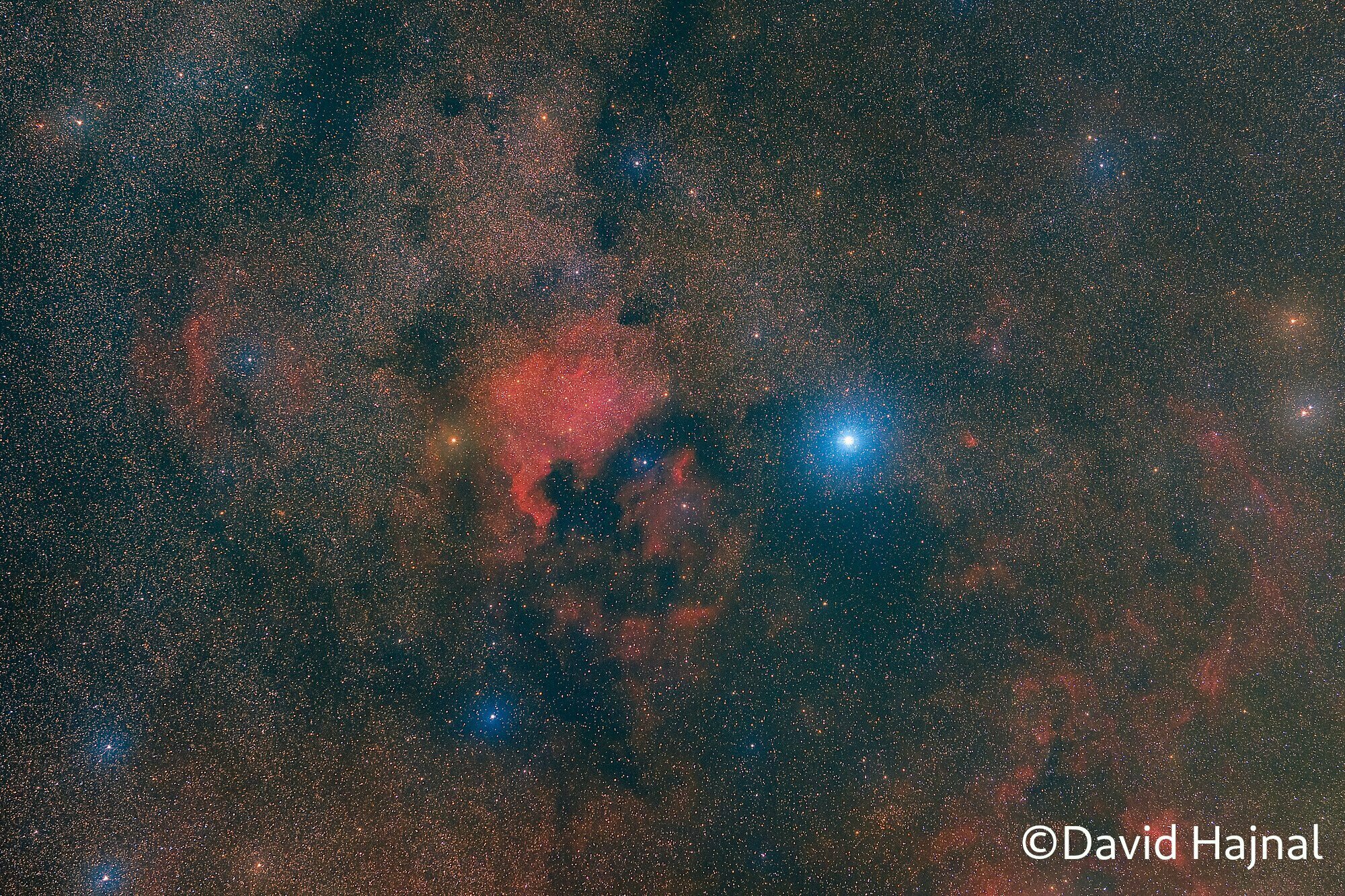
A contribution by David Hajnal Very special images are possible at night thanks to an astro conversion and extended red sensitivity. This does not necessarily require a telescope, as David Hajnal impressively demonstrates. He pointed his astromodified Sony A7 (Astronomik L2 filter) at the constellation Cygnus with 75 mm or 135 mm and took these impressive pictures.

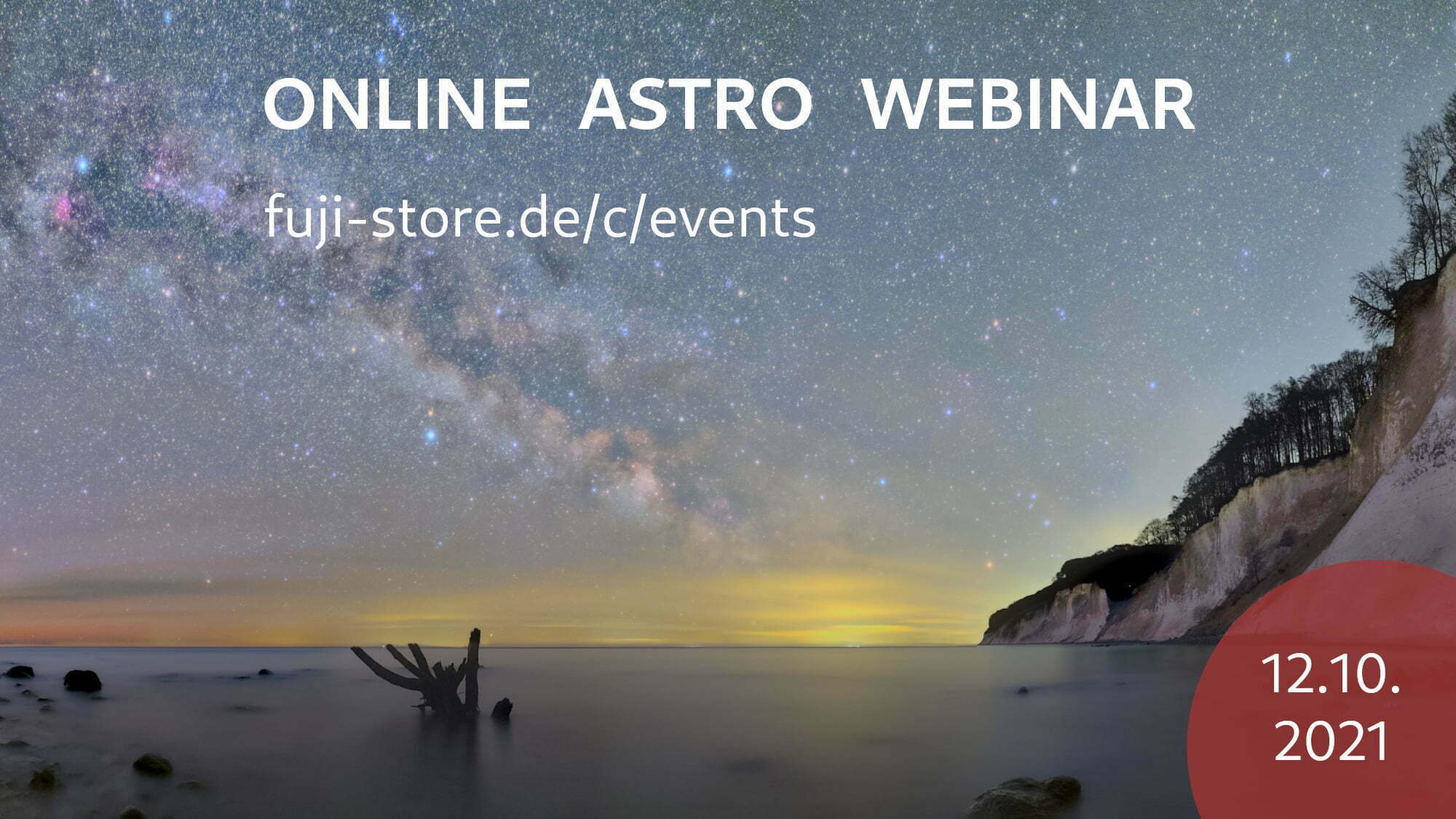
Free Astro Webinar on October 12th
The sight of the night sky on a clear night can be absolutely fascinating. But what is the best way to photograph it? Which camera settings make sense and how can you optimize the camera for astrophotography? And what is this H-alpha that everyone is talking about?

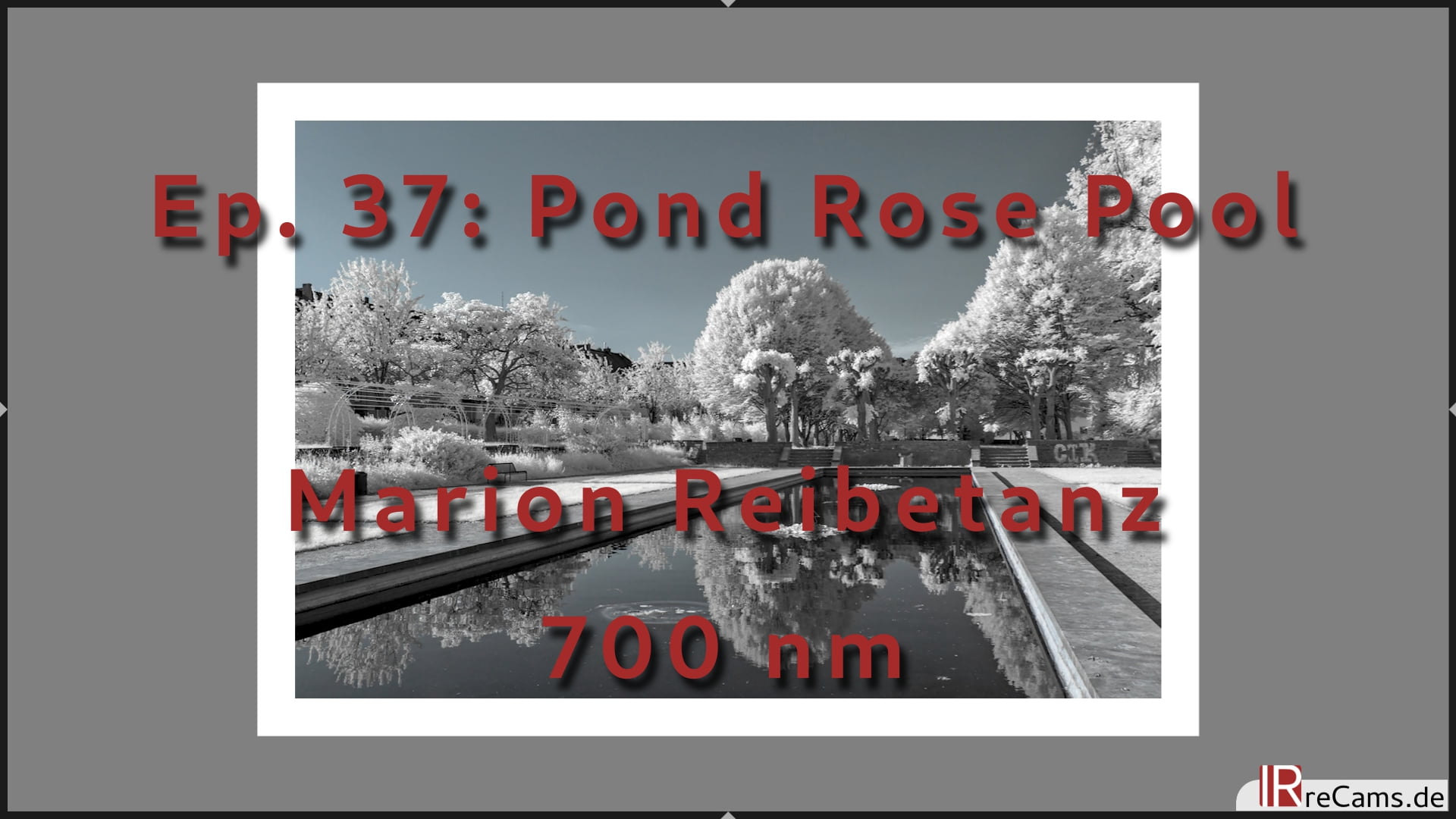
Ep. 37: Pond Rose Basin in Infrared - Colokey with 700 nm Filter
Colorkey infrared processing, i.e. blue sky and monochrome landscape, simply never loses its appeal. This processing is possible with any infrared filter with which color processing is also possible. The colorkey processing itself is done quickly and easily with darktable. Many thanks to Marion Reibetanz for providing the photo from...
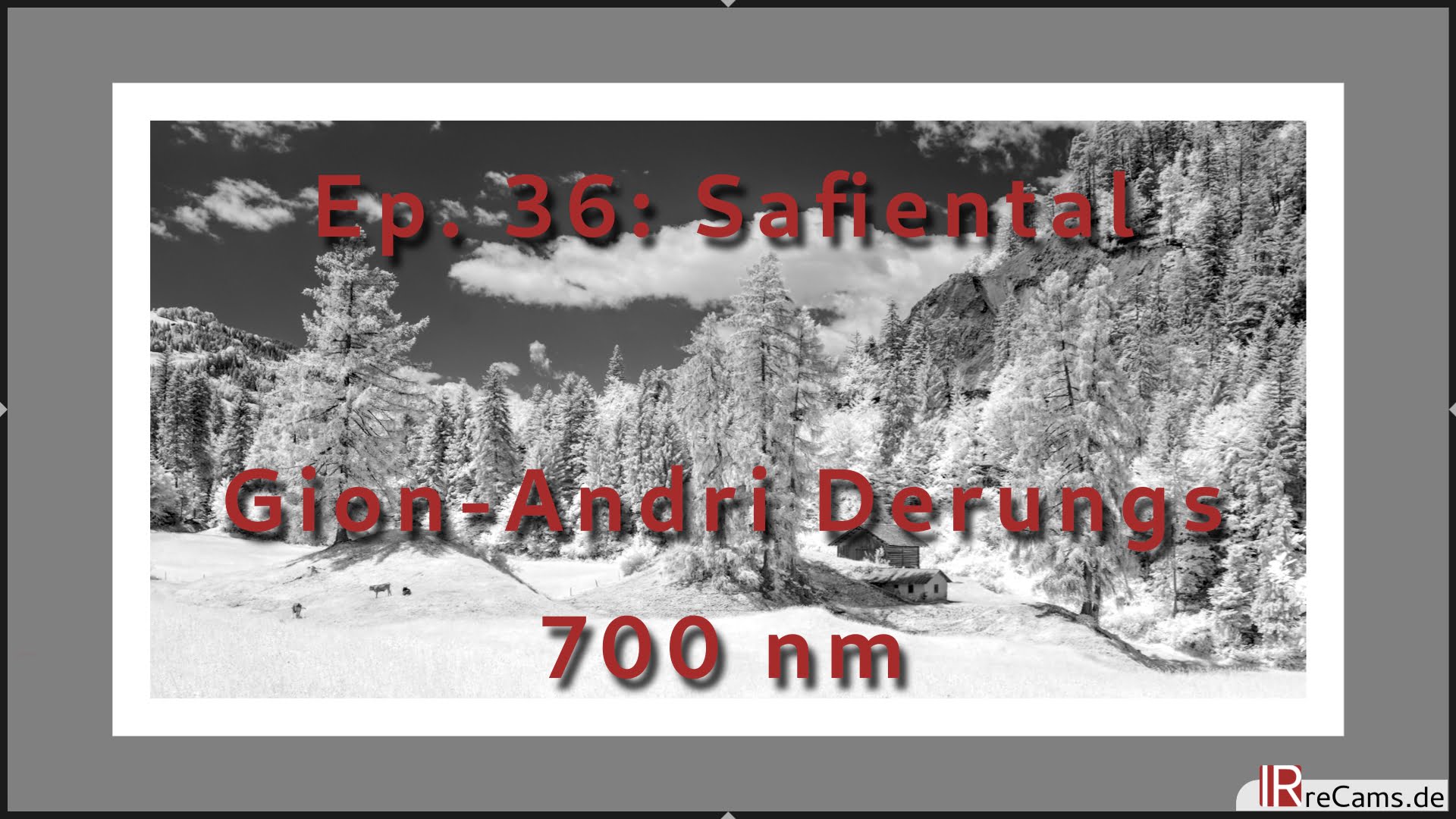
Ep. 36: Safiental in Infrared - Black and White Image Processing with 700 nm Filter
With the 700 nm filter you can take both black and white and color infrared pictures. The color information can also be used to have maximum control over a black and white image. You can find out how this works with darktable in this tutorial. Many thanks to Gion-Andri Derungs for this beautiful alpine scenario from the...

Free Infrared Beginner Tutorial 2021
If you're thinking about getting into IR photography but are unsure or are unclear about some aspects, you can watch this free tutorial here. The 1.5 hour webinar was recorded at the end of July and takes you through all the important aspects of infrared photography from A to Z. Starting with the conversion options of the camera, filter selection, infrared...
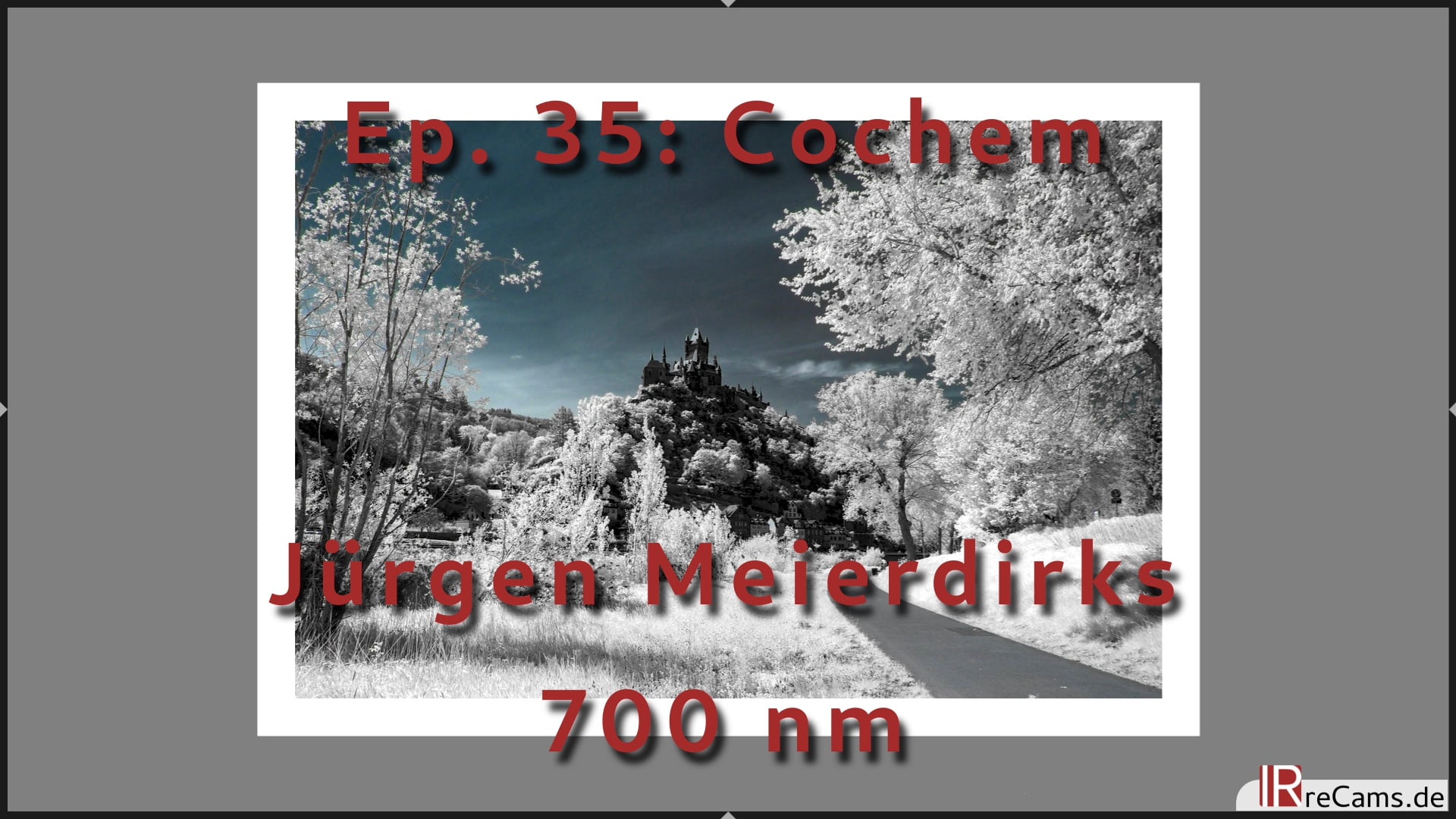
Ep. 35: Cochem in Infrared - Image Processing with only a JPEG File
Infrared photos are normally taken in RAW files. However, if JPEG was accidentally set in the camera, you can still make something out of the image with such a file - the prerequisite is a good white balance in the camera. You can find out what works and what doesn't in this tutorial with...
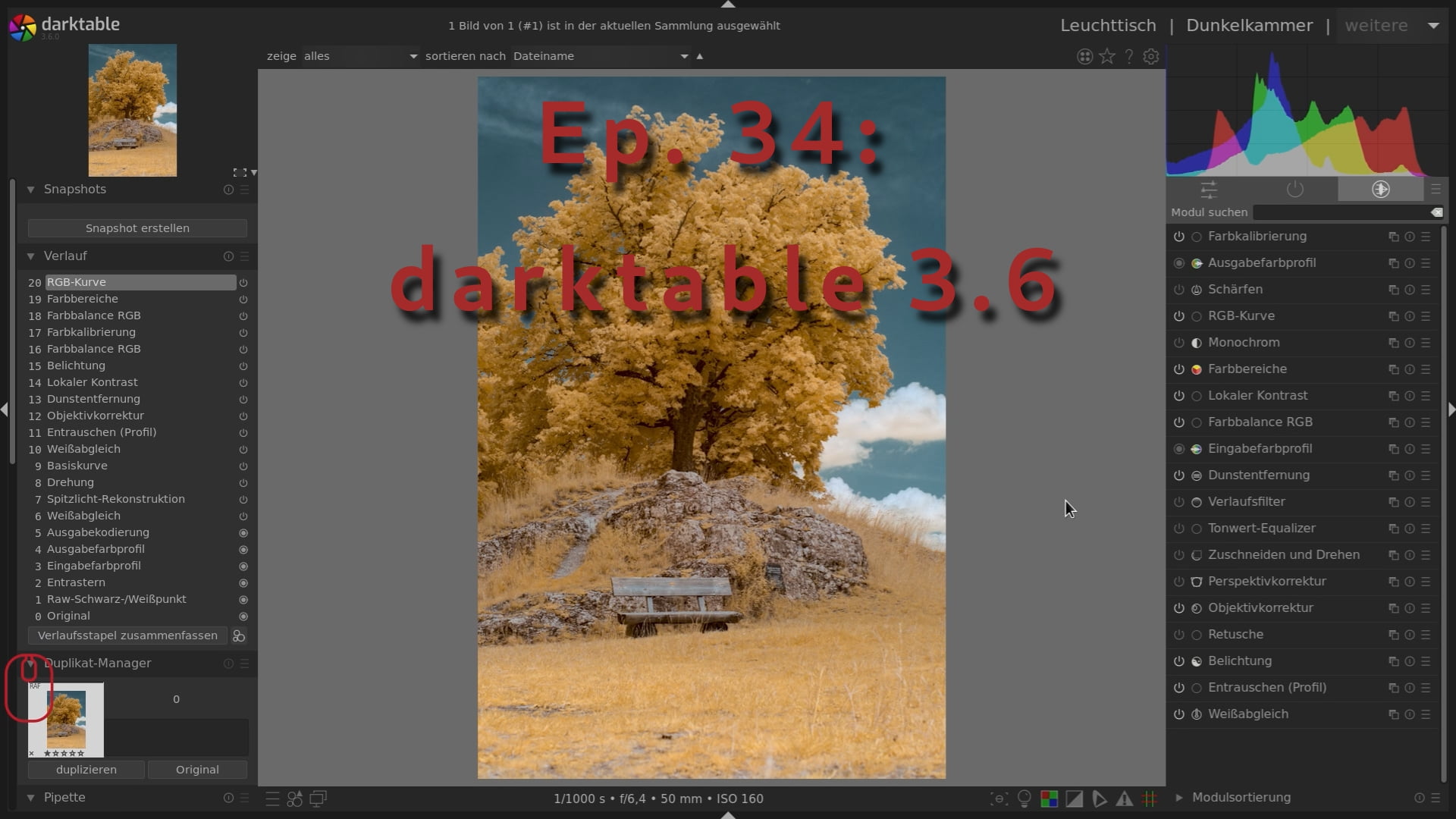
Ep. 34: darktable 3.6 for Infrared Image Editing
The new darktable version 3.6 has been released! Another great new version with many improvements and features. I present the new version with a view to infrared image processing and explain the basic settings.
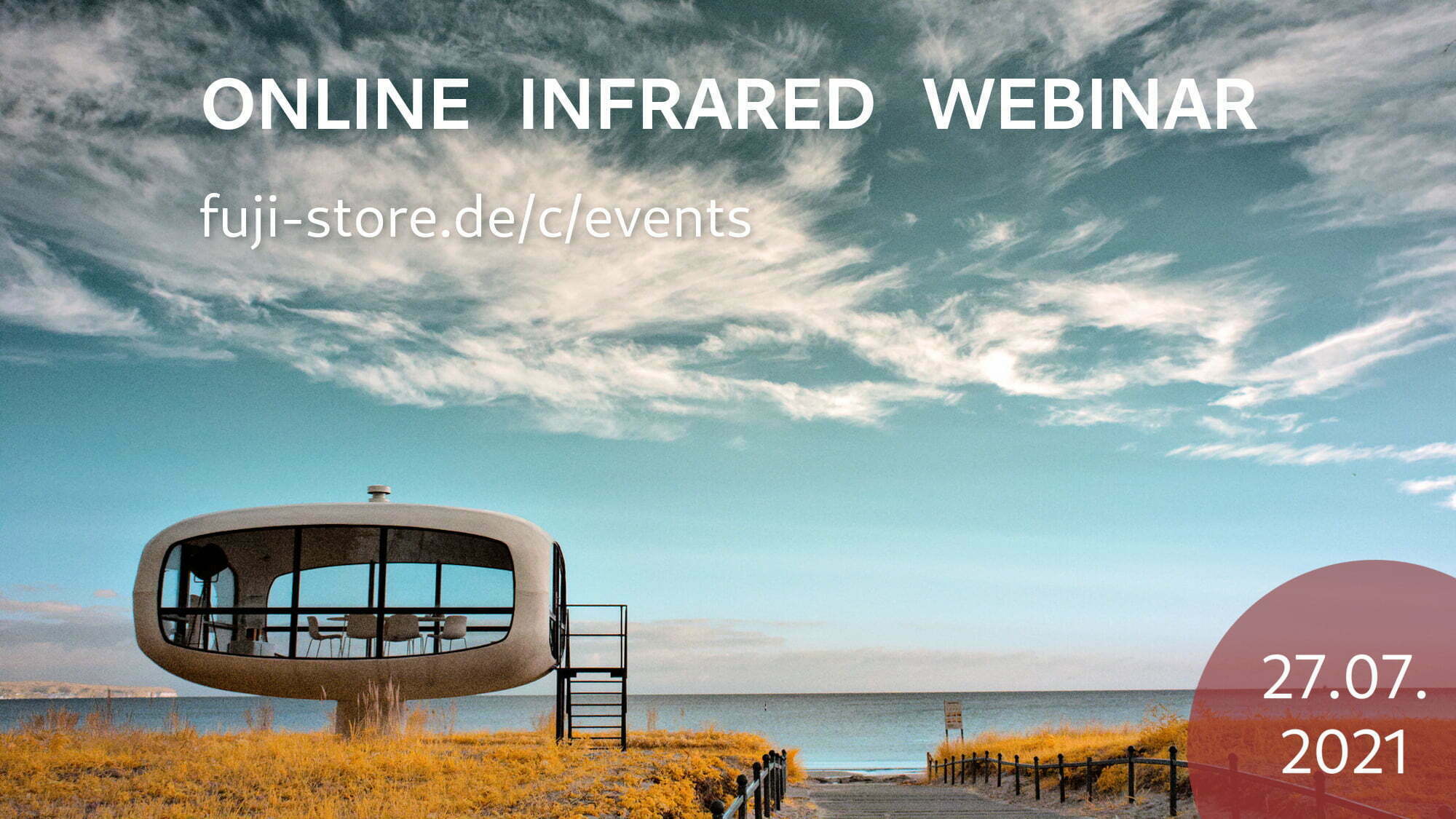
Free Infrared Webinar
I am pleased to be able to give a webinar on infrared photography on July 27 at 7 pm. The online seminar is organized by Fuji-Store.de in Nuremberg and anyone can register for free. The seminar is not exclusively aimed at Fuji photographers and is interesting for infrared beginners of all camera brands.
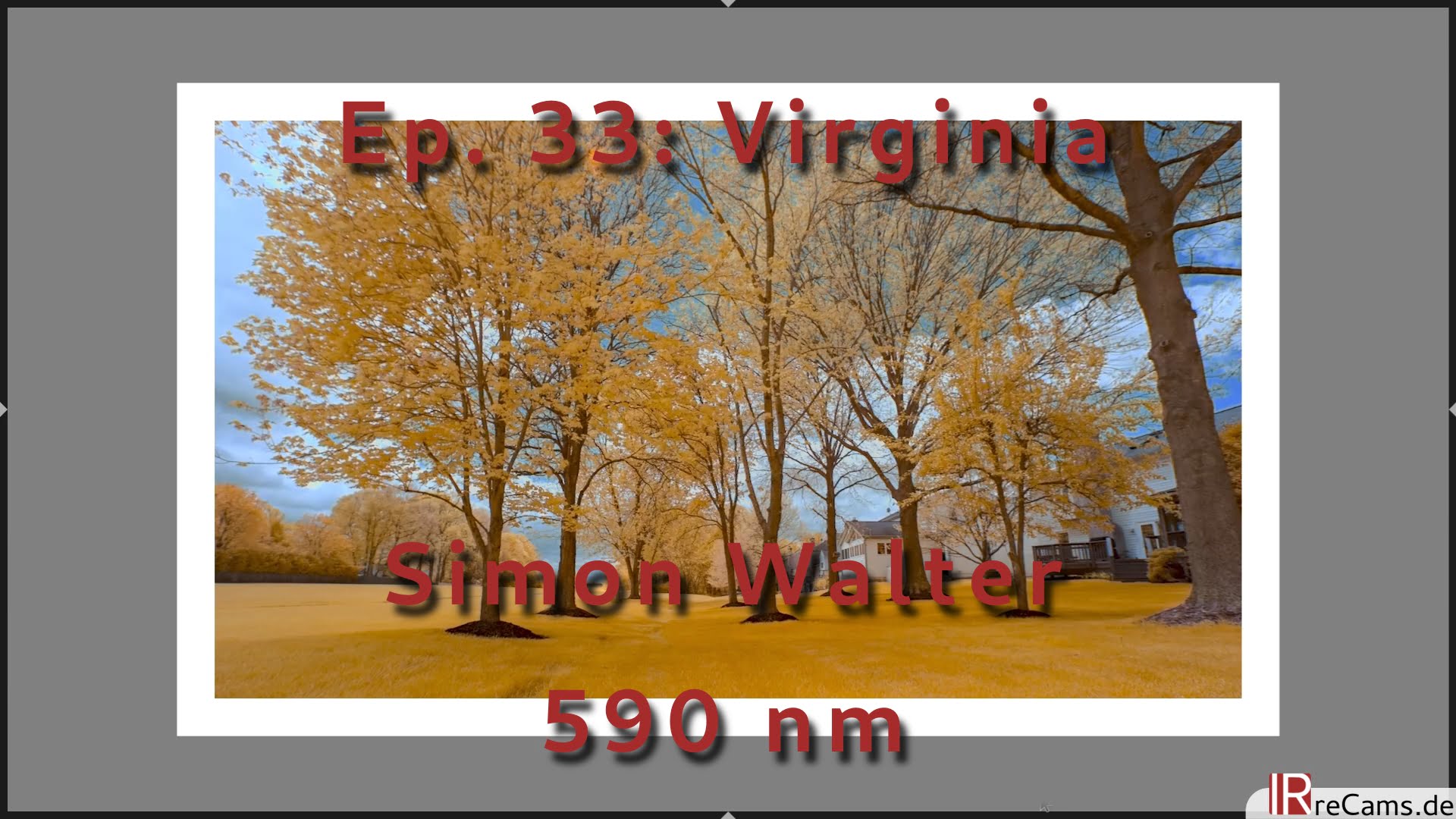
Ep. 33: Virginia in Infrared - Image Processing of a 590 nm Infrared Filter
I show the differences to my 630 nm filter and explain the advantages and disadvantages of both filters. The 590 nm infrared photo from Fairfax in Virginia, USA was submitted by Simon Walter, thanks for that!
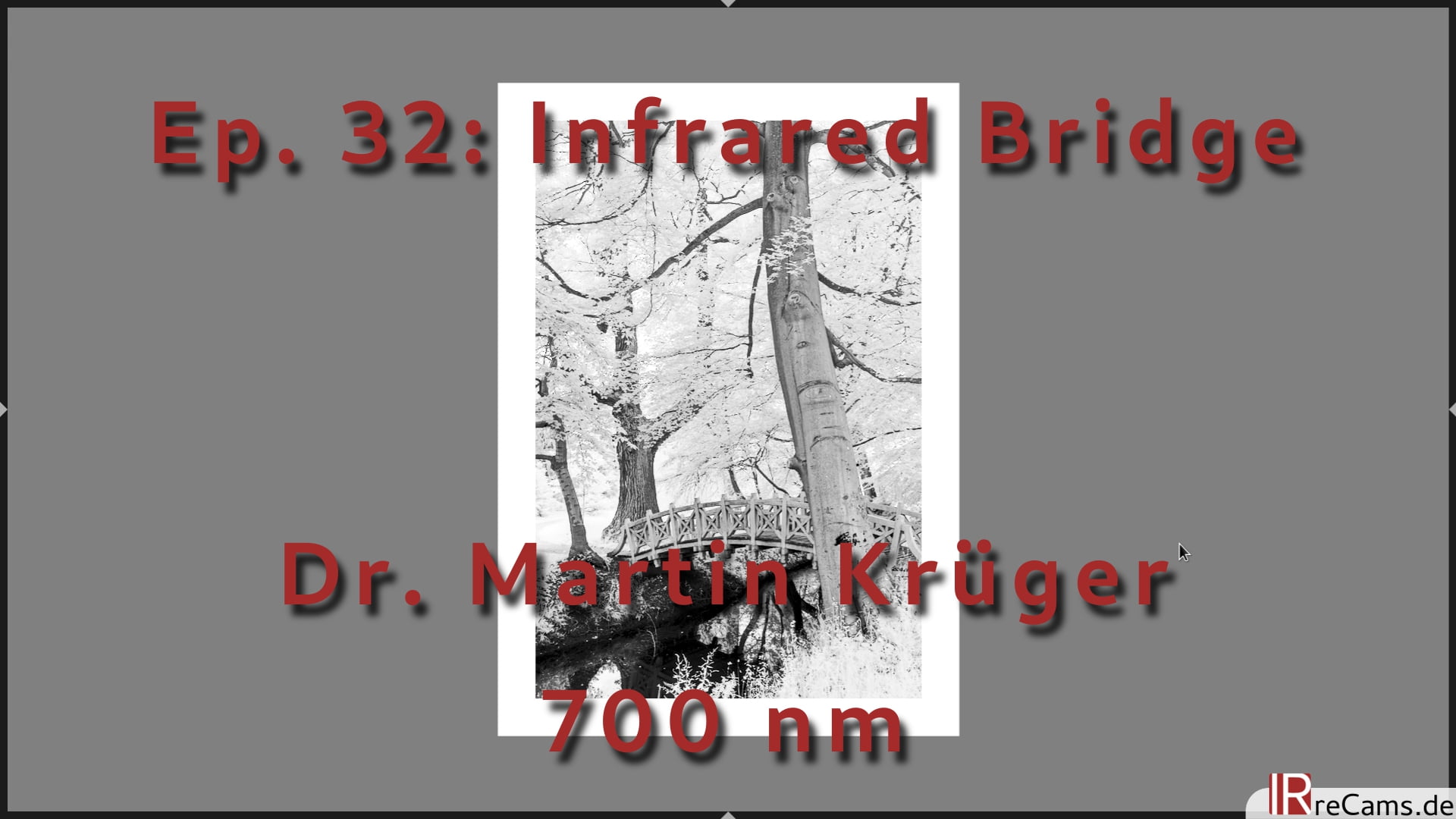
Ep. 32: Edit Infrared Bridge as Black and White Image
Just a small wooden bridge between trees, in Episode 32 I show a simple but powerful black and white processing for this simple Infrared subject. The 700 nm Infrared photo from the castle park in Eutin was sent in by Dr. Martin Krüger, many thanks for that!
New Posts:
Every night landscape holds an eternity - My experiences with astro-modified cameras
We take care of your shipping.
Photographing the Milky Way in the Eifel - My start with an astromodified camera
Insider: Fujifilm X-T5 Disassembly and Teardown
IRreCams infrared screw-in filter standard or plus version?
Behind the scenes - IRreCams at NDR DAS!
Infrared workshops 2025
A journey to Infrared Portrait Photography
Exhibition: Rheinhessen in a different light
A total solar eclipse captured in Infrared
630nm 700nm 720nm astro astrocamera astro camera astromod balticsea bavaria bavaria berchtesgaden berchtesgadenerland image processing blackandwhite blackandwhitinfrared bwinfrared bwir channelswap color color-ir colorir Colorkey darktable color-ir farbir Filter Guest germany hotspot howto infrared infraredhotspot infrared ir irrecams italy camera test church cologne cologne land to live in Laurentius Chapel mediterranian monochrome monochrome Moselle MV baltic sea pilsum Plus review ruegen reprimand Saxony safiental Castle External Filters black and white screencast sunset sunset sweden switzerland tuscany trittenheim tutorial uckermark remodeling Wine
 Deutsch (Sie)
 English
 Italiano
 Français
 Español
 Nederlands